Description
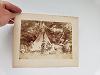
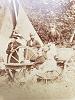
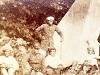
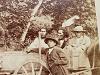
MOUNT 8" X 10" AND PHOTO 6" X 8" BARCLAY WHITE IS SEEN AT CENTER OF PHOTO WITH BEARD ~ United States Superintendent of Indian Affairs ~ In office 1871–1878 ~ Barclay White was Superintendent during the administration of U.S. Grant. STANDING NEXT TO BARCLAY IS SAMUEL M. JANNEY : As a young Quaker boy in rural Goose Creek, Virginia, Samuel M. Janney was apprenticed at the age of fourteen to his uncle who was a commission merchant and iron importer. In 1828, Samuel helped found a cotton factory in Occoquan Virginia, and learned first hand about slavery. From the 1820's forward, he became involved in anti-slavery activities, concentrating his efforts on helping Free Negroes obtain legal rights and education. Founder of a boarding school in Springdale, Virginia, he later founded a school for Free Negroes in Alexandria, Virginia. In the 1840's he was a leader in the movement to establish [a system of] common schools in Virginia. His anti-slavery views published in local newspapers, led to his arrest in 1850, but he won his case, grounding his defense of anti-slavery in religious freedom. He became active in work with American Indians. Under President Ulysses Grant's 'Peace Policy" Friends took responsibilities for Indian affairs in the Great Plains for administrating the peace policy. Janney was responsible for the tribes in Nebraska during the 1870's. As a result of his life-long interest in Quaker activities and education, Janney was a member of the original education committee of the Baltimore Yearly Meeting, and actively involved in the founding of Swarthmore College. I COUNT 9 INDIANS ON EITHER SIDE OF THE PHOTO